
Late Summer Landscape Pests: 4 Warning Signs to Watch
Late summer landscape pests tend to get less attention than the ones that show up in spring, but that doesn’t mean they’re any less worth watching for. Once the early-season scales and bagworms have come and gone, several other pests become active as the season stretches on, and catching them early still makes management easier. Here’s what to keep an eye on as summer winds down.
Mimosa webworm, a late summer landscape pest on mimosa and honey locust
By early August, second-generation mimosa webworm caterpillars start showing up. They’re green, hairless, and tend to web together leaves at the ends of branches, which causes the foliage to brown and gives affected trees a scorched look from a distance. Mimosa and thornless honey locust trees are their preferred targets.
In most cases, mimosa webworm doesn’t require active management unless the infestation is severe enough to threaten the tree’s overall health, though homeowners concerned about appearance may still want it addressed.
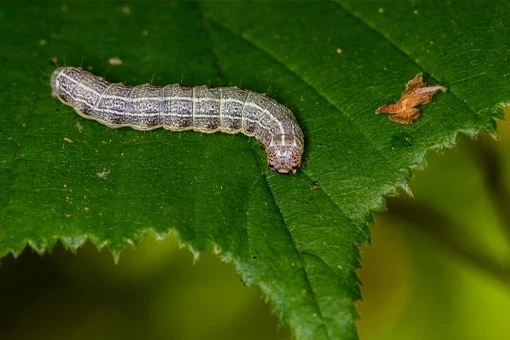

Fall webworm activity to expect this time of year
Fall webworm eggs typically hatch from late July through early August, so this is the window to start watching for them. Unlike the mimosa webworm, fall webworm caterpillars are yellow and noticeably hairy, and they build larger, more visible nests at branch ends, often concentrated along forest edges and tree lines.
Like mimosa webworm, fall webworm rarely needs treatment unless aesthetics are a real concern for the property owner.
Dog-day cicadas, a familiar late summer sound and sight
No periodical cicada emergence is expected this year, but the annual dog-day cicadas are right on schedule. These are green with a silvery-white underside, and females lay eggs inside pencil-sized twigs, which can cause the branch tip to split and eventually die off, a symptom sometimes called flagging. In a typical year like this one, the resulting damage tends to be minor and mostly cosmetic.
Invasive pests to keep monitoring through late summer
Late summer landscape pests aren’t limited to the seasonal caterpillars and cicadas above. Box tree moth continues to expand its range, making it worth a regular check on any boxwoods on the property. Elm zigzag sawfly, first detected in Indiana last year, has also continued spreading, and its distinctive zigzag feeding pattern on elm leaves is worth learning to recognize if you have elms nearby.
For detailed identification help on pests like these, Purdue Extension Entomology maintains publications covering seasonal insect activity across Indiana.
Let us help you watch for late summer landscape pests
Keeping track of which pests are active, and which ones actually need treatment, is easier with a second set of trained eyes on your property. Contact Wells Lawn Care & Landscaping to have our team take a look and build a plan suited to what’s actually showing up in your yard.
