
Native Plants for Wildlife: What to Grow in Your Bloomington Landscape
The trees, shrubs, and plants you choose do double duty — beautiful landscaping and real food and habitat for local wildlife. Here’s what Wells Lawn Care recommends planting in Bloomington yards.
Why What You Plant Matters More Than You Think
A little research before you plant can pay off twice over: a landscape that looks great and one that actually supports the wildlife around it. Local birds, mammals, and insects are tuned into the native plants they’ve relied on for generations, so choosing species that naturally grow in your area is the single biggest step toward a wildlife-friendly yard — without sacrificing curb appeal.
Native Plants Give Local Wildlife What They’re Already Looking For
Non-native ornamentals might look attractive, but local wildlife hasn’t evolved alongside them the way it has with native species. Choosing plants naturally found in Indiana means the birds, pollinators, and mammals in your yard get food and shelter they actually recognize and use — and it comes with a bonus: native plantings carry far less risk of introducing the kind of invasive species that can damage the surrounding landscape.

Trees, Shrubs, and Groundcover Worth Adding to Your Landscape
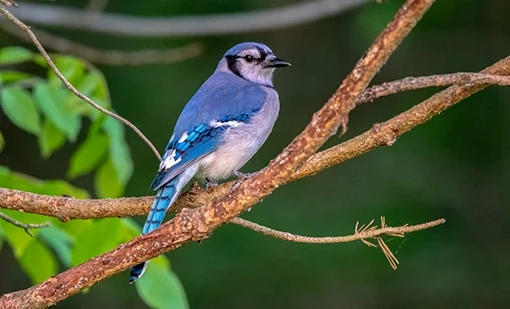
Oaks: The Biggest Wildlife Payoff – Oaks are one of the best examples of multi-level wildlife value. Their acorns are a major food source for jays, turkey, squirrels, and deer, but oaks also support hundreds of insect species that feed on their leaves and acorns — insects that, in turn, feed many other birds and animals. Indiana is home to more than 17 native oak species, so there’s one suited to almost any yard.
Small Understory Trees With Big Impact – Not every wildlife-friendly tree needs to be a full-size shade tree. Smaller species like sumac, paw-paw, flowering dogwood, crabapples, and hawthorns add landscape interest at a manageable scale while still delivering real food value — along with cherries, persimmon, black gum, sassafras, red mulberry, and beech, all of which provide food and habitat, and some of which form cavities that give birds and small mammals nesting sites.
Shrubs That Work Double Duty – Native shrubs like dogwoods, viburnums, plums, and hazelnuts add texture and seasonal color to a planting bed while offering food, cover, and nesting spots for wildlife. Plums and hazelnuts have the added bonus of being edible for people too, not just backyard visitors.
Why Native Beats Ornamental – Beyond the direct wildlife benefit, sticking with regionally native plants reduces the odds of accidentally introducing an aggressive, non-native species that outcompetes everything else in the landscape down the line — a risk that’s much higher with unfamiliar ornamental imports.
Building a Wildlife-Friendly Landscape Takes Planning
The best results come from variety — mixing tree sizes and species, layering in shrubs, and choosing plants that spread food and shelter across the whole growing season rather than all at once. A landscape with several types and sizes of native plants will draw a noticeably wider range of wildlife than one built around a single showy species.
Why Professional Landscape Design Matters
Matching the right native species to your specific site conditions — sun, soil, drainage, mature size — is where a lot of DIY plantings run into trouble. Our landscaping design and landscape maintenance teams can help you build a planting plan that balances curb appeal with real wildlife value, and our tree & shrub installation crew handles the planting itself. For more on native species selection, Purdue Landscape Report’s full article and the Indiana Native Plant Society are excellent resources.
