
Roadside Rehab: Rebuilding Soil and Cover After Utility Damage
Utility Work Left Your Lawn Damaged? Here’s What To Do:
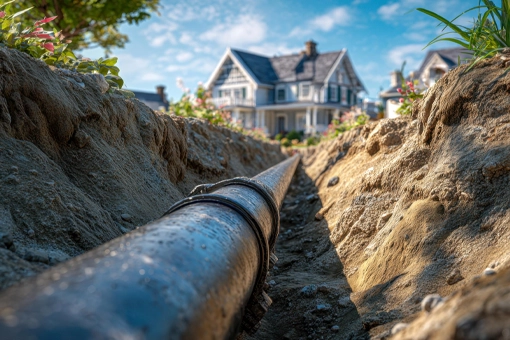
If your yard has recently been disturbed by utility work, proper roadside rehab soil restoration Indiana services are essential to bring your lawn back to life. Trenching for water, gas, or fiber lines often leaves behind compacted soil, uneven grading, and bare areas that struggle to recover.
Proper roadside rehab soil restoration in Indiana is essential to bring your lawn back to life and prevent long-term issues like erosion, drainage problems, and patchy grass growth.
Why Utility Damage Causes Long-Term Lawn Issues
After construction, soil is often compacted or removed entirely. This makes roadside rehab soil restoration Indiana critical for rebuilding a healthy lawn.
Common problems include:
-
- Poor grass growth or complete failure to establish
- Water runoff and erosion during heavy rain
- Uneven or sunken areas in your lawn
- Compacted soil that prevents root development
Addressing these issues early is key to successful utility damage lawn restoration in Indiana landscapes.

Step 1: Rebuild & Restore Soil Health
Healthy soil is the foundation of any successful lawn. After disturbance, rebuilding that foundation is the first priority.
Key Soil Restoration Steps:
-
- Regrade the area to restore proper slope and drainage
- Loosen compacted soil to allow roots to grow
- Add or replace nutrient-rich topsoil
- Improve soil structure with organic amendments if needed
Without this step, even the best grass seed or sod will struggle to take hold.
Step 2: Reestablish Grass & Ground Cover
Once soil is restored, vegetation must be reestablished to complete the roadside rehab soil restoration Indiana process.
Common Lawn Restoration Methods:
-
- Seeding: Cost-effective and ideal for large areas
- Hydroseeding: Faster, more uniform germination
- Sod Installation: Immediate results and erosion protection
- Native Grass Blends: Great for long-term durability
Choosing the right method depends on the severity of damage and the conditions of your property.


Step 3: Prevent Erosion Before It Starts
Bare soil is extremely vulnerable; especially during Indiana’s rainy seasons. Without protection, newly restored areas can quickly wash away.
Erosion Control Solutions:
-
- Straw or erosion control blankets
- Mulch or compost layers
- Temporary barriers like silt fencing
- Strategic grading to guide water flow
These measures help protect your investment while grass establishes.
Step 4: Maintain & Monitor the Area
Restoration doesn’t stop after planting. Ongoing care ensures long-term success.
Post-Restoration Care Tips:
-
- Water consistently during the establishment phase
- Watch for washouts or thinning areas
- Fertilize to support root development
- Overseed as needed to fill in gaps
Consistent maintenance is key to achieving a full, healthy lawn.


When to Call a Professional for Roadside Rehab?
Some utility damage goes beyond simple DIY fixes. If your lawn has significant damage, professional roadside rehab soil restoration Indiana services can ensure proper grading, soil rebuilding, and long-term results.
Wells Lawn Care specializes in roadside rehab soil restoration in Indiana, helping homeowners restore their lawns quickly and effectively after construction or utility work.
Restore Your Lawn the Right Way!
Utility damage doesn’t have to leave a lasting impact on your property. With the right approach to soil restoration, seeding, and erosion control, your lawn can recover stronger than before.
If you’re dealing with utility damage, Wells Lawn Care is here to help bring your landscape back to life.