
Scale Insects in Indiana Landscapes:
Identification & Control Guide
As spring arrives across Indiana and your landscape begins to wake up from winter dormancy, now is the perfect time to take a close look at the trees and shrubs on your property. One of the most common (and most commonly overlooked) pest problems we see in Indiana landscapes is scale insects. Small, slow-moving, and often mistaken for part of the bark itself, scale insects can quietly cause serious damage before most homeowners even realize there is a problem.
At Wells Lawn Care, we help Indiana homeowners identify and manage scale insect infestations before they get out of hand. This guide will walk you through what scale insects are, how to tell the two main types apart, what kind of damage they cause, and how to time your treatments for the best results.
What Are Scale Insects?
If your plants look unhealthy despite proper watering and care, you may be dealing with scale insects in Indiana landscapes. These small, sap-sucking pests are one of the most common threats to trees, shrubs, and ornamental plants throughout the region.
Scale insects attach themselves to plant surfaces and feed on internal fluids, slowly weakening the plant over time. Because they resemble small bumps or growths, they often go unnoticed until damage becomes severe.
Understanding how to identify and treat scale insects in Indiana landscapes is key to protecting your property’s curb appeal and plant health.
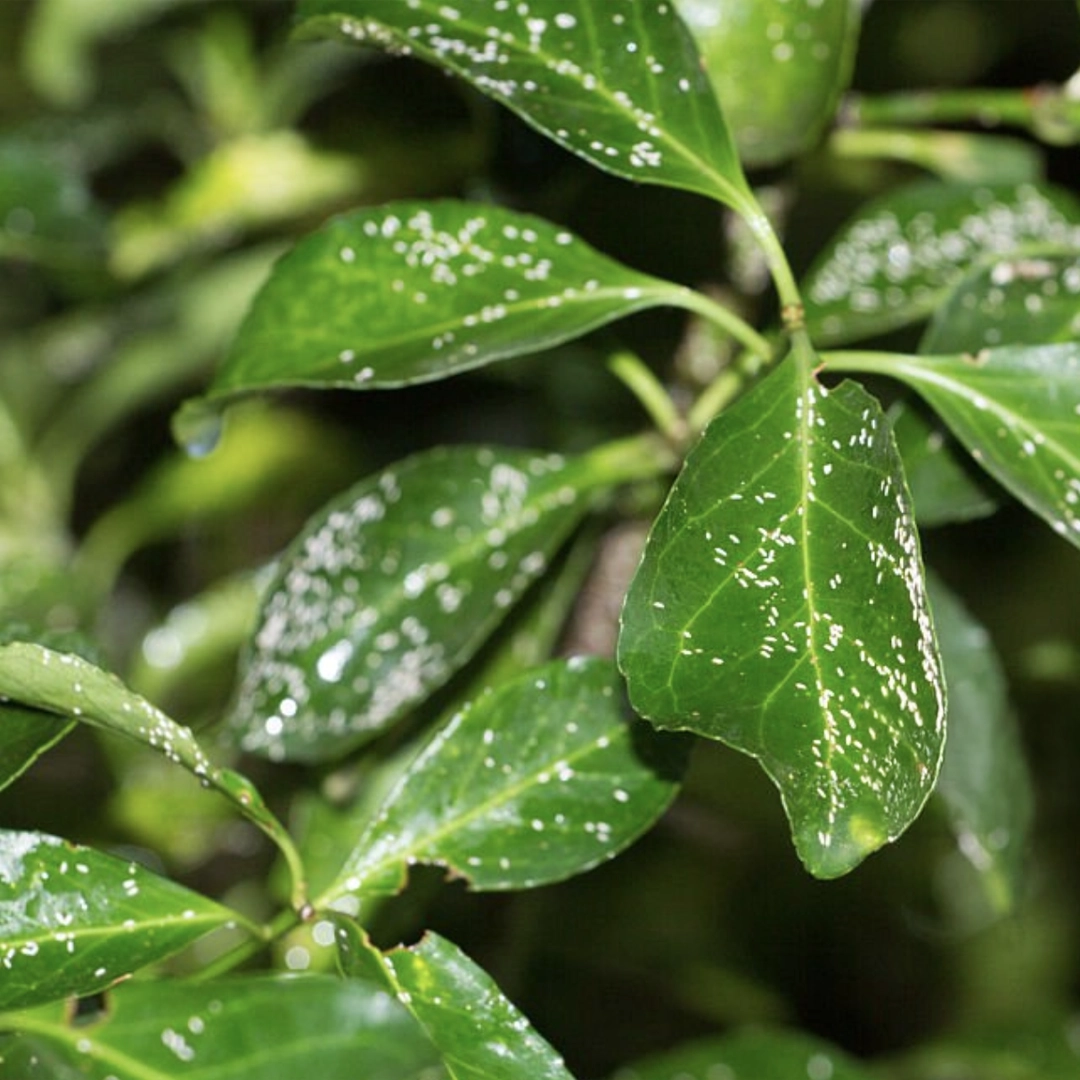


Why Scale Insects Are Harmful
The damage caused by scale insects in Indiana landscapes goes far beyond surface-level appearance.
🌿 Nutrient Loss
Scale insects extract sap from plants, depriving them of essential nutrients needed for growth and vitality.
🍃 Leaf Damage
Infested plants may show:
-
- Yellowing leaves
- Premature leaf drop
- Wilting or curling foliage
🌑 Sooty Mold Growth
Soft scale insects produce honeydew, which leads to black mold forming on leaves—blocking sunlight and reducing photosynthesis.
🌳 Long-Term Plant Decline
If left untreated, infestations can result in:
-
- Branch dieback
- Stunted growth
- Increased vulnerability to disease
Types of Scale Insects in Indiana
There are two primary categories of scale insects in Indiana landscapes, and understanding the difference is essential for effective treatment.
Soft Scale Insects
-
- Produce sticky honeydew
- Often found on leaves and stems
- Attract ants and promote sooty mold
Armored Scale Insects
-
- Have a hard protective covering
- Typically found on bark and woody areas
- Do not produce honeydew
Each type requires a slightly different treatment approach, making proper identification important.
How to Treat Scale Insects Effectively
Managing scale insects in Indiana landscapes requires a combination of prevention, monitoring, and targeted treatments.
🌱 Preventative Lawn & Landscape Care
Healthy plants are more resistant to infestations.
-
- Water plants properly to avoid stress
- Avoid over-fertilizing, especially with nitrogen-heavy products
- Prune and remove infested branches
- Dispose of plant debris carefully
🌾 Treatment Options
Horticultural Oils
-
- Smother scale insects on contact
- Effective on soft scales and some armored scales
- Best used during dormant season or crawler stage
Insecticidal Soaps
-
- Target soft-bodied crawler stage insects
- Require thorough coverage
- Safer for beneficial insects when used properly
Targeted Insecticides
-
- Used for severe infestations
- Most effective during crawler stage
- Should be applied carefully and strategically


Why Scale Insects Thrive in Indiana Landscapes
Several environmental factors make scale insects in Indiana landscapes a recurring issue:
-
- Warm, humid summers
- Dense landscaping and plantings
- Urban environments with fewer natural predators
- Plant stress from drought, poor soil, or improper care
Because of these conditions, scale insects are a common challenge for homeowners across Indiana.
Natural & Integrated Pest Management Strategies
A long-term approach to controlling scale insects in Indiana landscapes often includes integrated pest management (IPM), which combines prevention, monitoring, and targeted treatments for better long-term results.
Encourage Beneficial Insects:
-
- Lady beetles
- Lacewings
- Parasitic wasps
These natural predators help control scale populations by feeding on them, reducing the need for chemical treatments over time.
Reduce Chemical Overuse:
Overusing pesticides can eliminate beneficial insects along with harmful pests, which may lead to larger infestations of scale insects in Indiana landscapes.
Using treatments only when necessary helps maintain a healthier, more balanced landscape.
Monitor Regularly:
Routine inspections help catch scale insects in Indiana landscapes early, before infestations spread.
Checking plants throughout the growing season allows for quicker, more effective treatment and better overall plant health.


Why Professional Treatment Matters
Scale insects on trees and shrubs are a year-round concern in Indiana, but spring is when proactive inspection pays off most. Getting ahead of crawler activity before populations build gives you the best possible options for effective, low-impact management.
At Wells Lawn Care, our landscape pest management services include professional identification of scale insects and other common pests, treatment planning timed to pest biology, and recommendations tailored to the specific trees and shrubs on your property. We take a comprehensive approach to lawn and landscape health, because healthy plants start with the right care at the right time.
If you are noticing unusual spots, sticky residue, or declining health in your trees or shrubs this spring, contact Wells Lawn Care today. We are here to help you protect your investment and keep your Indiana landscape looking its best all season long.