
Shagbark Hickory Trees in Indiana: Built to Handle Strong Winds
Why Shagbark Hickory Is So Strong
No tree is tornado-proof, and every severe weather event is different. However, shagbark hickory is among Indiana’s stronger native trees. Its wood combines strength, elasticity, density, and excellent shock resistance. Those characteristics allow hickory wood to absorb and redistribute considerable energy before fracturing. Under wind loading, its stems and branches may be able to bend and absorb stress rather than failing as abruptly as some less-tough woods.
There’s a Reason Hickory Has So Many Uses
The strength of hickory isn’t simply something observed in the landscape. People have taken advantage of the same physical characteristics for generations. Hickory has traditionally been used for axe and sledgehammer handles, baseball bats, drumsticks, flooring, and furniture. These applications benefit from wood capable of absorbing repeated impacts and bending stresses. Those same mechanical characteristics help explain why healthy shagbark hickories can be remarkably resilient trees.
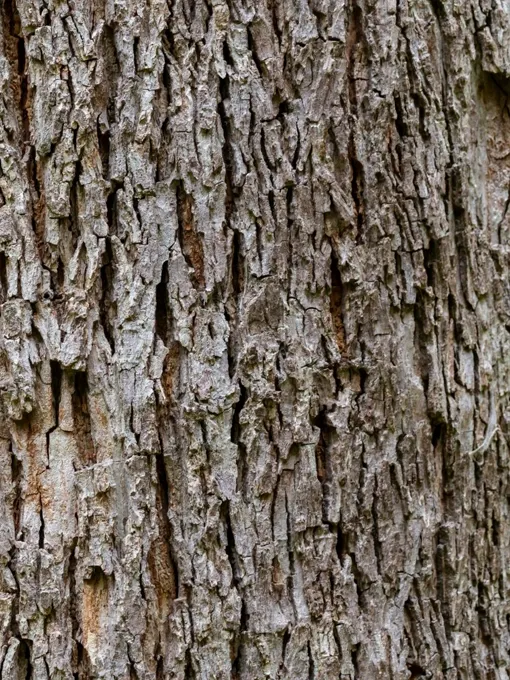

Healthy Trees Have an Advantage
Species isn’t the only consideration when evaluating how a tree may respond to severe weather. The condition of the individual tree matters too. Purdue notes that healthy trees with vigorous growth and minimal decay generally withstand stress better than weakened trees. Dead branches, decay, structural defects, previous damage, and poor overall health can increase the potential for failure during high-wind events. That is one reason homeowners should pay attention to their entire landscape before severe weather arrives rather than waiting until after a storm to discover a problem.
Maintaining the Landscape Around Your Trees
Trees are only one component of a healthy residential landscape. Appropriate mulching, maintained landscape beds, proper lawn practices, and reducing unnecessary competition or stress around plants can all contribute to a better-managed property. For trees that show structural defects, significant storm damage, decay, or other safety concerns, Purdue recommends consulting a certified arborist who can evaluate the tree’s condition and determine whether it remains safe.
Building a Healthier Indiana Landscape
You can’t control Indiana’s weather, but you can be proactive about maintaining your property. Regular lawn care, landscape maintenance, seasonal cleanups, and attention to changes in your trees and plants can help you spot potential problems sooner.
Wells Lawn Care & Landscaping serves Bloomington and surrounding communities with professional lawn care and landscape maintenance designed around the needs of Southern Indiana properties.
