
Spotted Lanternfly Control: 4 Seasonal Tips for Indiana Yards
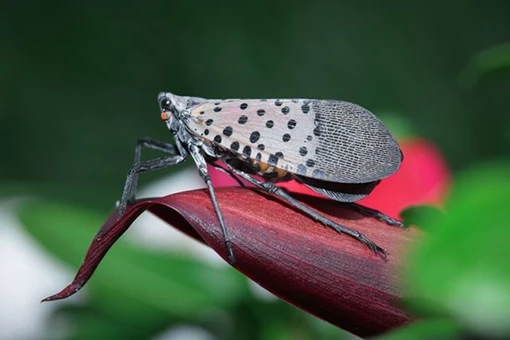
Spotted lanternfly control has become a bigger part of landscape care in Indiana over the past few seasons, as this invasive insect continues to spread across the state. If you’ve noticed unfamiliar egg masses, red-bodied nymphs, or clusters of moth-like insects on your trees, you’re likely dealing with spotted lanternfly, and the good news is that with the right approach at the right time of year, it’s very manageable
Why spotted lanternfly control depends on timing
Spotted lanternfly moves through several distinct life stages over the course of a year, egg, nymph, and adult, and each stage responds differently to different control methods. A treatment that works well in spring may do almost nothing by midsummer, and vice versa. That’s why effective spotted lanternfly control isn’t a single treatment, it’s a seasonal strategy.

Winter: scraping and dormant treatments
Spotted lanternfly spends the winter as egg masses, laid in the fall and coated in a protective, mud-like covering that shields them from cold and helps them blend into tree bark, siding, or even parked vehicles. During winter, the most effective step is simply scraping visible egg masses into a container of soapy water or a water-alcohol mix. For eggs out of reach, a dormant-rate horticultural oil application can reduce hatch rates without needing to wait for warmer weather.
Spring: trapping newly hatched nymphs
Once temperatures rise, eggs hatch and young nymphs begin moving toward host plants, most notably tree-of-heaven, their preferred food source. At this stage, physical traps such as circle traps around tree trunks are an effective, low-impact way to reduce populations. We generally steer clients away from sticky banding, since it tends to catch far more beneficial insects and small wildlife than it does lanternflies. Where chemical treatment is warranted, contact insecticides such as bifenthrin or carbaryl remain effective on nymphs at this stage, since resistance hasn’t been a significant issue yet.
Summer: targeting mature nymphs and adults
By midsummer, nymphs mature into their adult form, larger and marked with distinctive red coloring before wings develop. This shift calls for a shift in strategy too. Systemic insecticides, applied as a soil drench or trunk injection, tend to be far more effective on adults than contact sprays alone. Trunk injections in particular require specialized equipment and should be handled by a trained professional rather than attempted as a DIY project, both for safety and for proper dosing.
Fall: tapering off before winter
As temperatures begin to drop, adult activity slows, though some individuals can persist later into the season than most homeowners expect. Once temperatures cool consistently, pesticide applications should taper off, since spotted lanternfly cannot survive Indiana winters as adults. This is also when the cycle resets, egg masses begin appearing again, and scraping becomes the priority once more.


Building a year-round spotted lanternfly control plan
Because spotted lanternfly control depends so heavily on matching the method to the season, a one-time treatment rarely solves the problem long term. A property that had visible activity this year will likely see it again next season unless a consistent, season-by-season plan is in place.
For more background on how this invasive species spreads and why early detection matters, the Indiana Department of Natural Resources entomology program tracks spotted lanternfly activity across the state and is a helpful resource for homeowners wanting to understand the bigger picture.
Let us handle the timing for you
Between egg scraping, trap placement, insecticide selection, and knowing exactly when to shift strategies, spotted lanternfly control takes ongoing attention throughout the year. Contact Wells Lawn Care & Landscaping and we’ll build a treatment plan around your property’s specific situation, so you’re not left guessing which method applies each season.